
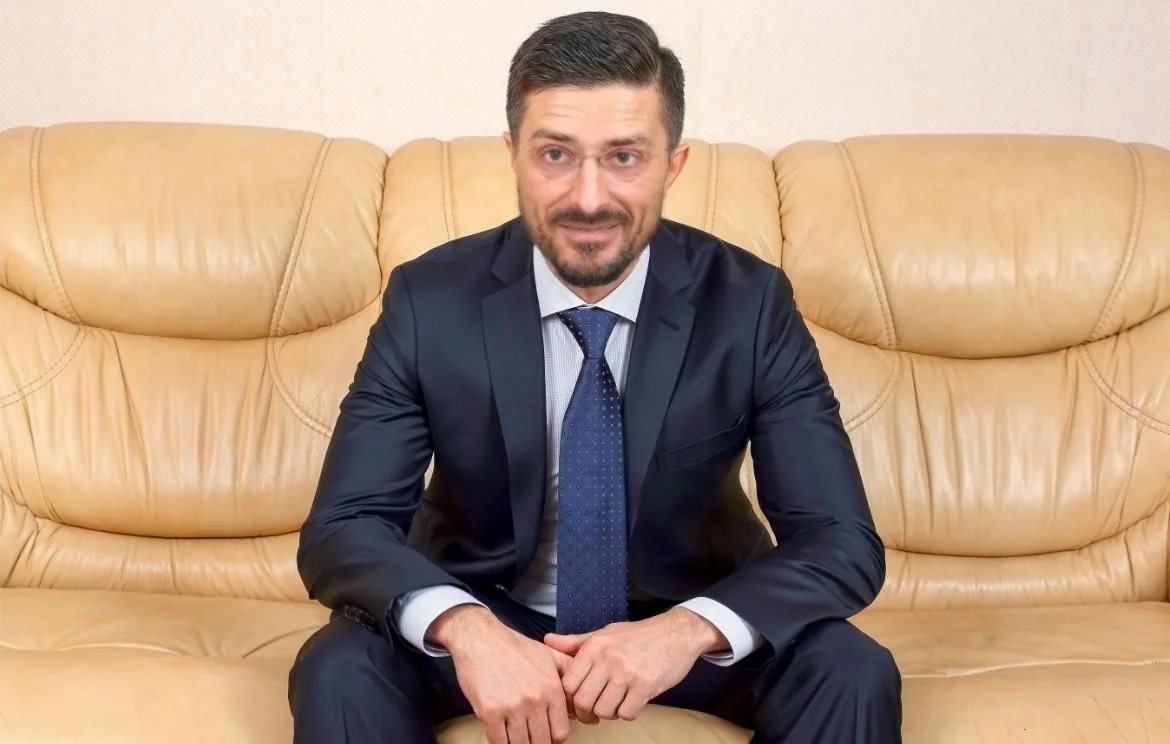
Inside Arif Patel’s Business Vision for Dubai’s Next Generation
1. Introduction: A Vision Shaped for the Future
Dubai has always been a city built on foresight, ambition, and the courage to imagine what comes next. As the emirate prepares for its next phase of economic and social evolution, leadership vision becomes more important than ever. The business philosophy associated with Arif Patel offers a compelling look into how forward-thinking strategies can help shape Dubai’s next generation of enterprises.
Rather than focusing solely on immediate profits, this vision emphasizes sustainability, innovation, and human capital. It reflects an understanding that the future of Dubai’s economy will be driven not just by infrastructure and capital, but by ideas, adaptability, and globally competitive talent.
2. Dubai’s Evolving Business Landscape
Dubai is transitioning from a trade-centric economy to a knowledge-driven and innovation-led ecosystem. Technology, sustainability, and entrepreneurship are now at the center of policy and investment priorities. Businesses operating in this environment must evolve just as rapidly.
The next generation of companies in Dubai will be expected to operate globally from day one, comply with international standards, and contribute meaningfully to society. This shift requires leaders who understand both the local context and global dynamics, and who can bridge the two effectively.
3. Building Businesses with Long-Term Purpose
A defining element of this business vision is the emphasis on long-term purpose over short-term gains. Instead of chasing trends, the strategy focuses on building resilient organizations that can adapt over decades.
Insights shaped by competitive environments such as Arif Patel Dubai highlight the importance of strong governance, financial discipline, and scalable systems. These foundations allow businesses to grow responsibly while remaining agile in the face of economic or technological change.
4. Empowering the Next Generation of Leaders
Preparing Dubai’s future means investing in people as much as in projects. Leadership development, mentorship, and continuous learning are central to this vision. Young professionals are encouraged to think globally, innovate confidently, and take ownership of outcomes.
Organizations structured around empowerment rather than hierarchy are better positioned to attract top talent. This approach also ensures continuity, as leadership pipelines are developed internally rather than relying solely on external recruitment.
5. Innovation as a Cultural Mindset
Innovation is not treated as a department or a buzzword, but as a cultural mindset. Businesses are encouraged to experiment, learn from failure, and continuously improve. This environment fosters creativity while maintaining accountability.
Technology adoption ranging from digital platforms to data-driven decision-making plays a key role in enabling innovation at scale. The focus remains on practical innovation that delivers measurable value rather than novelty for its own sake.
6. Aligning Growth with Responsibility
Modern business success is inseparable from social and environmental responsibility. Sustainable practices are embedded into operational and strategic decisions, ensuring that growth does not come at the expense of future generations.
Lessons drawn from governance-focused markets associated with Arif Patel UAE reinforce how ethical standards and transparency strengthen long-term credibility. This alignment between growth and responsibility is increasingly essential for businesses operating in global markets.
7. Creating Globally Competitive Dubai-Based Enterprises
One of the most important goals of this vision is to ensure that Dubai-based companies can compete confidently on the world stage. This requires international-quality products, services, and leadership.
By benchmarking against global best practices and continuously raising internal standards, businesses avoid complacency. Dubai is positioned not just as a regional hub, but as a source of globally respected enterprises.
8. Collaboration Over Isolation
The future business ecosystem in Dubai thrives on collaboration. Partnerships between startups, established firms, government entities, and educational institutions are essential for sustained innovation.
This collaborative mindset allows ideas to move faster from concept to execution. It also reduces duplication of effort and helps create shared value across industries.
9. Resilience in a Changing World
Economic uncertainty, technological disruption, and shifting global trade patterns are realities that future businesses must face. Resilience, therefore, is a core pillar of this vision.
Diversification, scenario planning, and strong balance sheets help organizations withstand volatility. By planning for uncertainty rather than reacting to it, businesses are better equipped to survive and thrive.
10. A Vision Rooted in the UAE’s Future
The broader economic ambitions of the country provide a strong framework for private enterprise. The principles reflected in arif patel uae innovation, diversification, and global engagement mirror national priorities aimed at long-term prosperity.
Businesses aligned with these principles are more likely to receive stakeholder support and achieve sustainable growth.
11. Lessons for Aspiring Entrepreneurs
For aspiring entrepreneurs in Dubai, the key lessons are clear: think long-term, invest in people, innovate responsibly, and build with global relevance in mind. Success is no longer defined solely by speed, but by endurance and impact.
12. Conclusion: Shaping Dubai’s Next Business Era
The future of Dubai’s economy will be shaped by leaders who understand that vision must extend beyond the present. The business philosophy associated with arif patel offers a roadmap for building organizations that are innovative, responsible, and globally competitive.
By aligning ambition with purpose, Dubai’s next generation of businesses can not only succeed locally but influence markets worldwide.